MRI System Comparison: Open, Closed, and Wide-Bore
Closed-bore, wide-bore and open MRI each trade off image quality, patient comfort and cost differently. Here's how they compare.
Iconic Radiology Services2 min read
Closed-bore MRI: the standard option
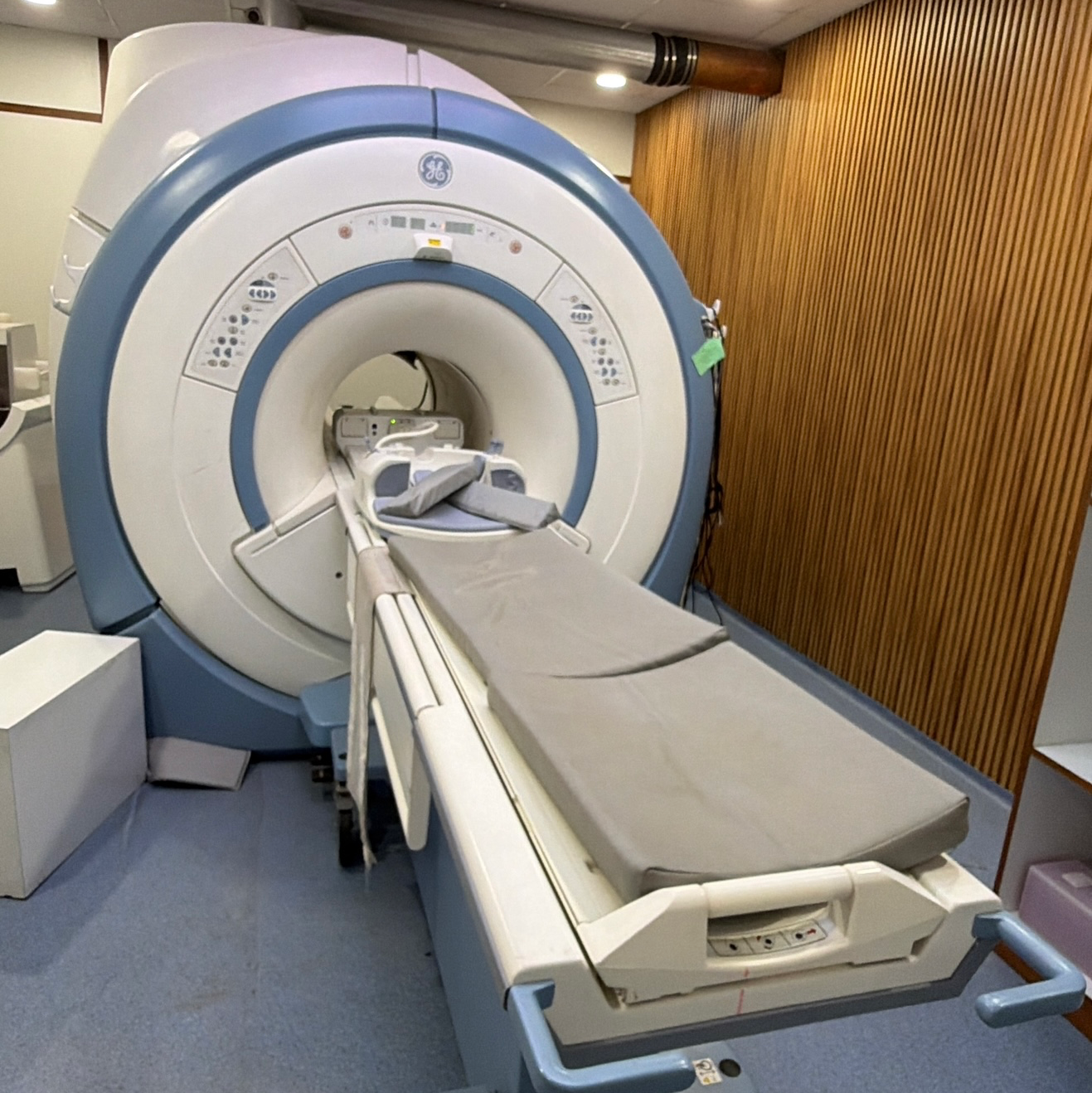
A closed-bore MRI is the most traditional MRI option, and it has the strongest magnetic field. One of the main distinctions between a closed and an open MRI is the size of the opening where the patient is positioned.
Image quality. Closed MRI systems typically have magnet strengths from 1.5 to 3.0 Tesla. These strong fields enable rapid scanning and high-quality images, and the shape of the closed MRI allows detailed imaging of areas other systems have difficulty scanning.
Cost. Closed-bore MRIs are generally the most expensive option in purchase price, installation and maintenance — but they typically offer the most advanced imaging capabilities.
Wide-bore MRI: the most comfortable
Manufacturers have pushed to keep high image clarity while widening the bore for patients who can't fit in a 60 cm opening, or who can't bring themselves to be placed in one.
Several manufacturers have responded with "wide-bore" systems in the higher-field category. They don't create a wider field of view, but they do create a more comfortable experience for the patient.
Wide-bore machines combine the spaciousness of open MRI with the imaging capability of closed MRI. Images may not reach the detail of a closed system, but they are still superior to an open MRI.
Wide-bore MRIs tend to cost more than open systems, but they offer a solid middle ground between affordability and imaging power. Maintenance and service pricing is similar to closed-bore systems, with added flexibility for patient comfort.
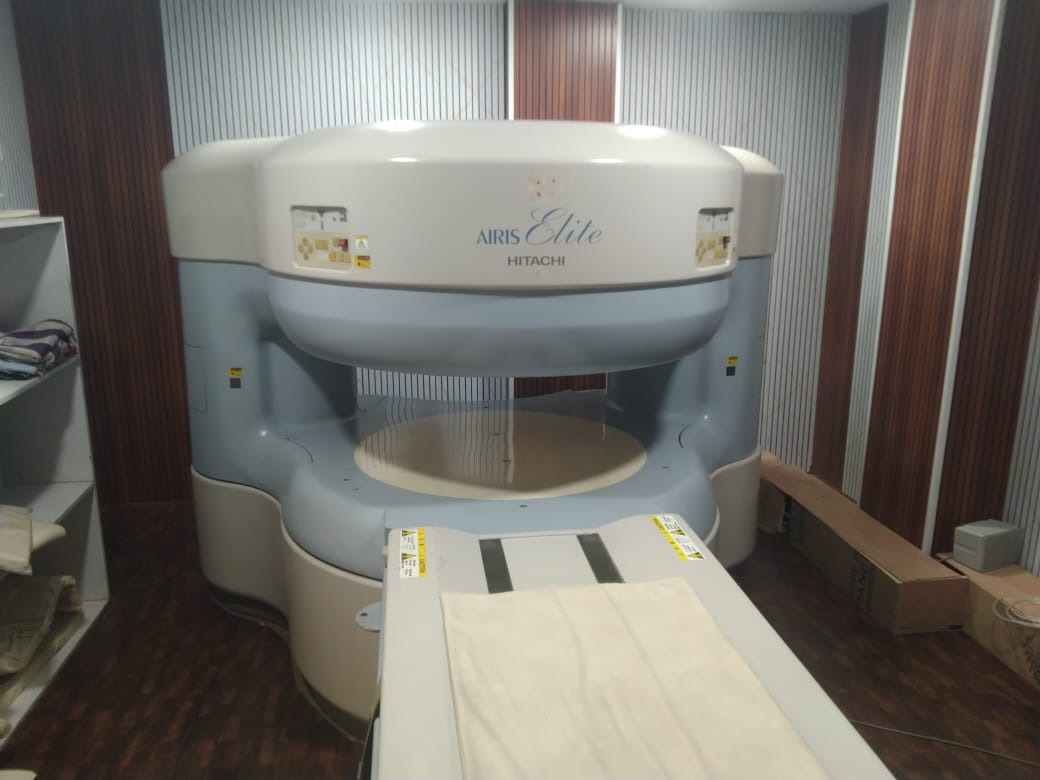
Open MRI: ultimate comfort and specific scans
Open MRI machines have two flat magnets positioned above and below the patient. The extra space increases patient comfort and gives an unobstructed view of the scanning area, making them well suited to specific scans, such as brain scans.
These systems generally use 0.2T and 0.3T magnets, with a few as high as 0.7T or even 1.0T.
Although open MRI provides flexibility and space, its field strength is significantly lower. That, along with its design, makes generating high-quality images more challenging, so open systems may not suit every diagnostic need.
Open MRI systems are typically priced lower than closed or wide-bore systems, thanks to reduced imaging complexity and lower ongoing maintenance costs. Their simplicity and accessibility often make them the budget-friendly choice — especially for facilities serving a broad patient base.
At a glance
| Closed-bore | Wide-bore | Open | |
|---|---|---|---|
| Typical field strength | 1.5T – 3.0T | 1.5T – 3.0T | 0.2T – 1.0T |
| Image quality | Highest | High | Moderate |
| Patient comfort | Standard | Better | Best |
| Relative cost | Highest | Mid–high | Lowest |